
Graduate Students
Catherine Glenny Pescov, Ph.D. Candidate

Catherine is a final-year doctoral student in Pharmacology whose dissertation research centers on the discovery of inhibitors of BUB1B, a mitotic checkpoint kinase implicated in prostate cancer. Working at the interface of computational and structural biology, she combines machine learning with protein structure modeling to identify and prioritize candidate compounds against the kinase, with the goal of producing chemical starting points suitable for preclinical development.
Alongside her thesis work, Catherine contributes to the development and curation of two ontologies used across the biomedical community: the Drug Target Ontology (DTO) and the BioAssay Ontology (BAO). These frameworks provide a shared vocabulary for describing drug targets and the assays used to characterize them, making it possible to integrate data across laboratories, databases, and screening platforms – infrastructure that underpins much of modern computational drug discovery.
In fall 2024, she was an R&D intern at Eli Lilly in Indianapolis, where she saw firsthand how early-stage discoveries move toward the clinic.
Joseph Micahel Schulz, Ph.D. Candidate
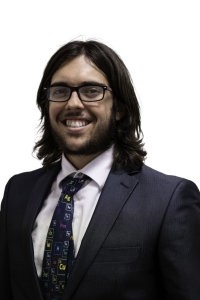
Joseph is currently working on in silico methods to optimize the design of the linker domain connecting the warhead and ligase recruiter of PROTACs. Prior to joining the Schurer lab, Joseph did work on natural product synthesis at Rollins College, earning a degree in Chemistry, after which i followed that up with a master’s in neuroscience from UCF, where he had the opportunity to investigate new models for Alzheimer’s Disease using induced pluripotent stem cells (IPSCs). In addition, Joseph is a lead educator for the Osher Lifelong Learning Institute where i have the opportunity to teach a class on nutrition to local communities in the Miami-Dade area, and a lead educator for Mindful Diabetes Inc, the only nonprofit focusing on preventing the progression of type 2 to type 3 diabetes. Through this platform, Joseph is able to educate people about the risks associated with lifestyle and ways we can proactively prevent cognitive decline in our daily lives by making simple changes.
Angela Elaine Bernasconi, Ph.D Candidate
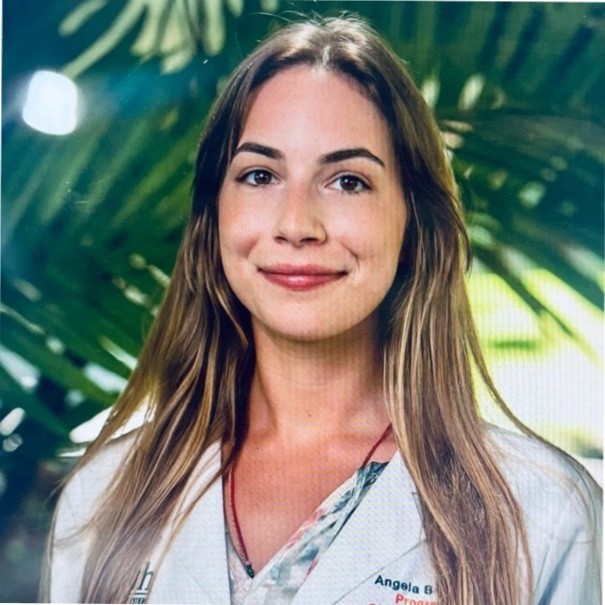
Angela Elaine Bernasconi joined the Schürer Lab in 2025 and is a PhD student in Biochemistry and Molecular Biology at the University of Miami Miller School of Medicine. Her research background spans biochemistry, glycobiology, and cell biology, with previous work investigating galectin-mediated regulation of B-cell function and vascular interactions. Her current interests focus on applying biochemical and molecular approaches to understand disease biology and therapeutic mechanisms.
Maddison Rose Marshall, Ph.D. Candidate
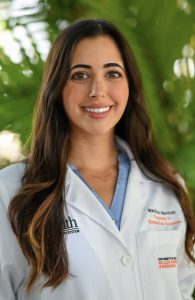
I am a PhD student in the Biochemistry and Molecular Biology department, with affiliation and collaborations within the University of Miami’s Molecular and Cellular Pharmacology department and Bascom Palmer Eye Institute. Dr. Stephen Schurer is my co-mentor, along with Dr. Daniel Pelaez; together, they oversee my research in both computational and wet-lab approaches. My graduate research project revolves around characterizing specific ligand interactions and kinase domain activation of Ephrin Receptors, the largest class of Receptor Tyrosine Kinases. Specifically, I study how dysregulation of this pathway is connected to the onset of optic neuropathies and how these receptors may be leveraged for therapeutic intervention. The ambiguity of these receptors in mammalian adulthood requires me to use a variety of methods to address our research questions, including computational structure modeling, in silico drug design, development of novel cellular-based screening platforms, in vivo models for optic neuropathies, and other experimental methods that seek to examine ligand binding and resulting phosphorylation states.
Staff Scientists
Kathleen M. Jagodnik, Ph.D., Biomedical Data Scientist
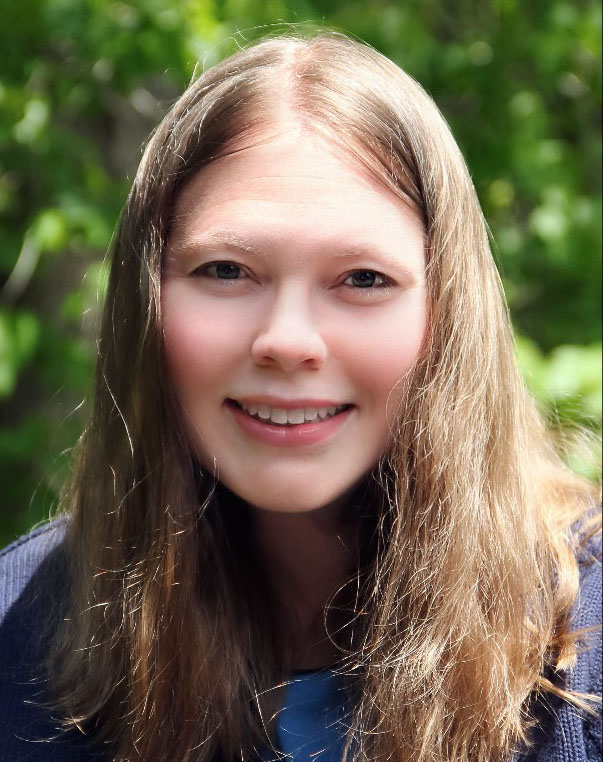
Kathleen M. Jagodnik, PhD, is a computational biologist and biomedical data scientist with a multidisciplinary background spanning computational biology, bioinformatics, network science, machine learning, and biomedical engineering. She earned her MS and PhD in Biomedical Engineering from Case Western Reserve University and subsequently conducted research at NASA Glenn Research Center, the Icahn School of Medicine at Mount Sinai, Bar-Ilan University, and Harvard Medical School and Massachusetts General Hospital. Her work has ranged from computational modeling and functional genomics to AI-driven biomedical research and clinical data science. In collaboration with the Schürer Lab, Kathleen contributes to biomedical data and knowledge-resource projects, including FAIR pharmacology and cancer data initiatives, with a focus on making complex biomedical datasets more interoperable, accessible, and useful for research.
Gabriel Lichtenstein, Ph.D., Senior Bioinformatics Scientist – SCCC
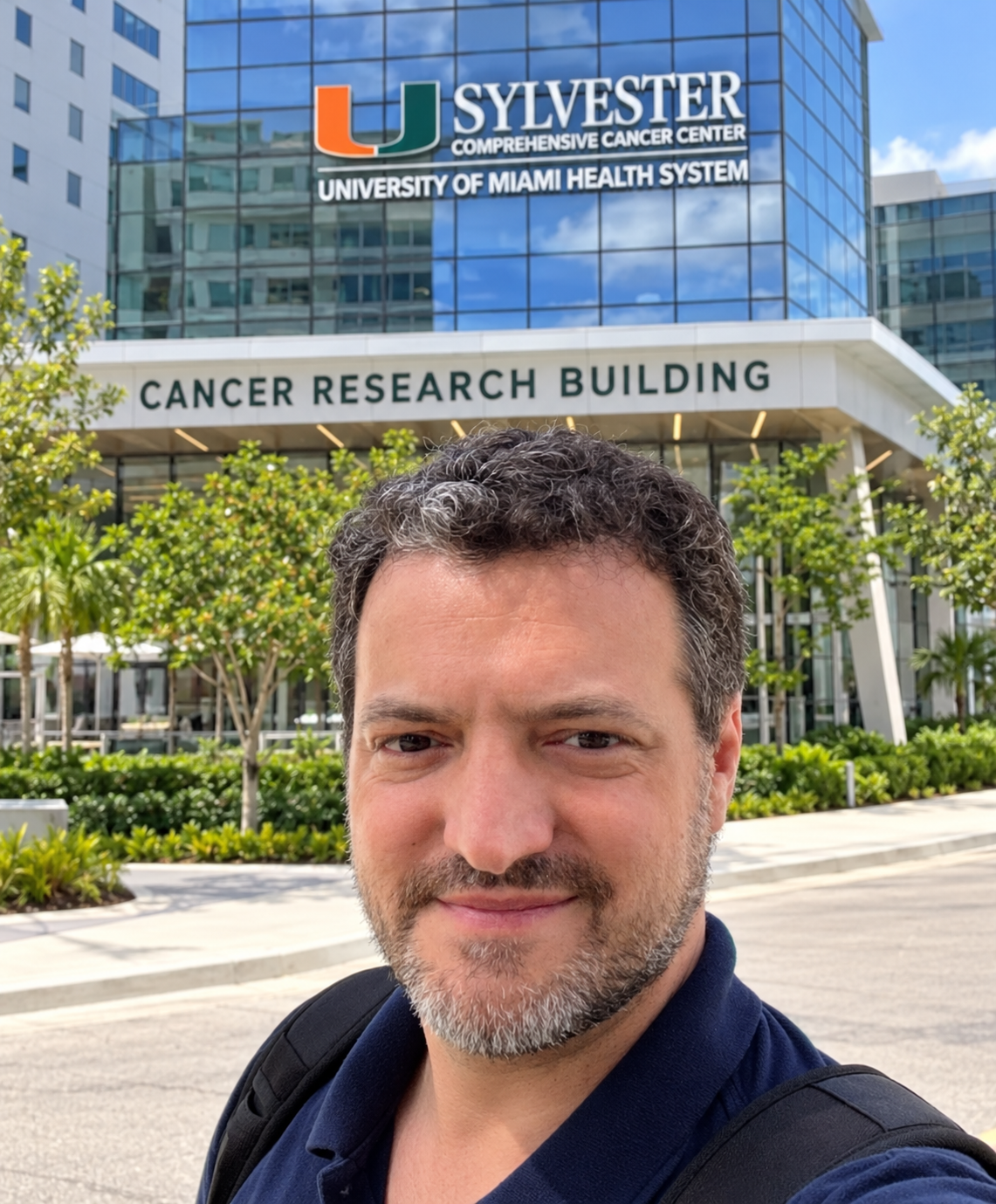
Gabriel Lichtenstein, PhD, is a Senior Bioinformatics Scientist at Sylvester Comprehensive Cancer Center, University of Miami Miller School of Medicine, and a member of the Schürer Lab in the Department of Molecular and Cellular Pharmacology. He is a computational biologist with expertise in genomics, transcriptomics, bioinformatics workflow development, and large-scale biomedical data analysis.
At Sylvester, Gabriel develops scalable bioinformatics infrastructure for cancer research, including the Sylvester Data Portal. His work focuses on reproducible genomic and multi-omic workflows, integrating high-throughput sequencing, cloud computing, and data-management systems to transform complex biomedical data into accessible, analysis-ready resources for translational research and data-driven discovery.
Francesco Tamiro, M.Sc, Ph.D, Biomedical Data Scientist II – SCCC
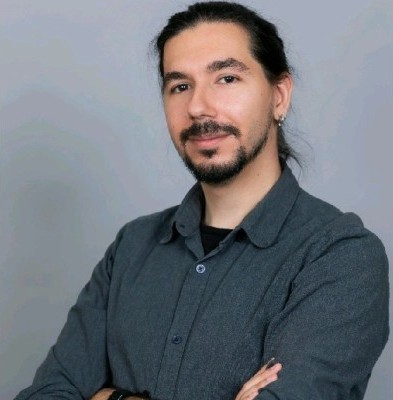
Francesco Tamiro, PhD, is a Biomedical Data Scientist at Sylvester Comprehensive Cancer Center, University of Miami Miller School of Medicine, and a member of the Schürer Lab. He is a computational biologist with expertise in single-cell genomics, next-generation sequencing, bioinformatics pipeline development, and large-scale biomedical data analysis.
At Sylvester, Francesco develops computational approaches for analyzing complex cancer datasets, with a particular focus on single-cell and multi-omic data. His work integrates genomics, high-performance computing, and reproducible data-analysis workflows to investigate tumor biology and support translational cancer research. His research background also includes hematologic malignancies, particularly T-cell acute lymphoblastic leukemia and the molecular mechanisms underlying leukemogenesis.
Lukas Rupprecht, MS, DevOps Engineer – SCCC
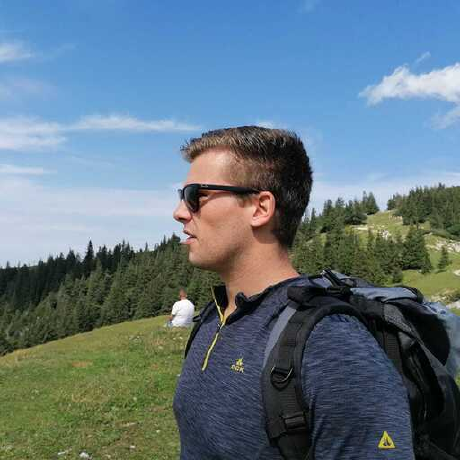
Lukas Rupprecht is a DevOps Engineer at Sylvester Comprehensive Cancer Center and a member of the Schürer Lab. He is a software engineer with expertise in cloud infrastructure, data architecture, automation, and the development of reliable and scalable computational systems.
At Sylvester, Lukas supports the development and operation of the Sylvester Data Portal, a cloud-based platform for integrating and managing large-scale clinicogenomic and multi-omic cancer data. His work focuses on building robust infrastructure, data pipelines, and deployment workflows that enable secure, reproducible, and scalable biomedical data applications
Oliver Mazariegos, Bioinformatics Analyst – SCCC
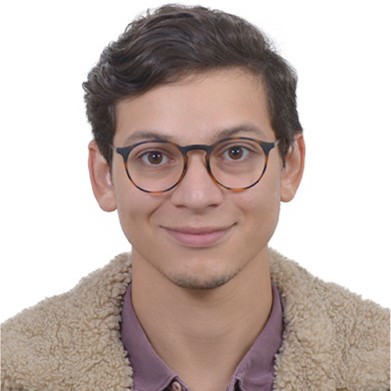
Oliver Mazariegos is a Bioinformatics Analyst at Sylvester Comprehensive Cancer Center and a member of the Schürer Lab. Trained in bioinformatics engineering at Universidad del Valle de Guatemala, his background spans genomics, precision medicine, public health informatics, software development, and data engineering. His current work focuses on building and harmonizing large-scale clinicogenomic data resources for cancer research, including the Sylvester Data Portal, where he integrates genomic data from multiple clinical testing platforms to enable population-level and translational analyses. Oliver is also completing a master’s degree in Business Analytics at the University of Miami, expanding his work at the intersection of biomedical data, machine learning, and scalable software systems.
Rabia Khurshid, M.Phil, Ph.D., Research Associate
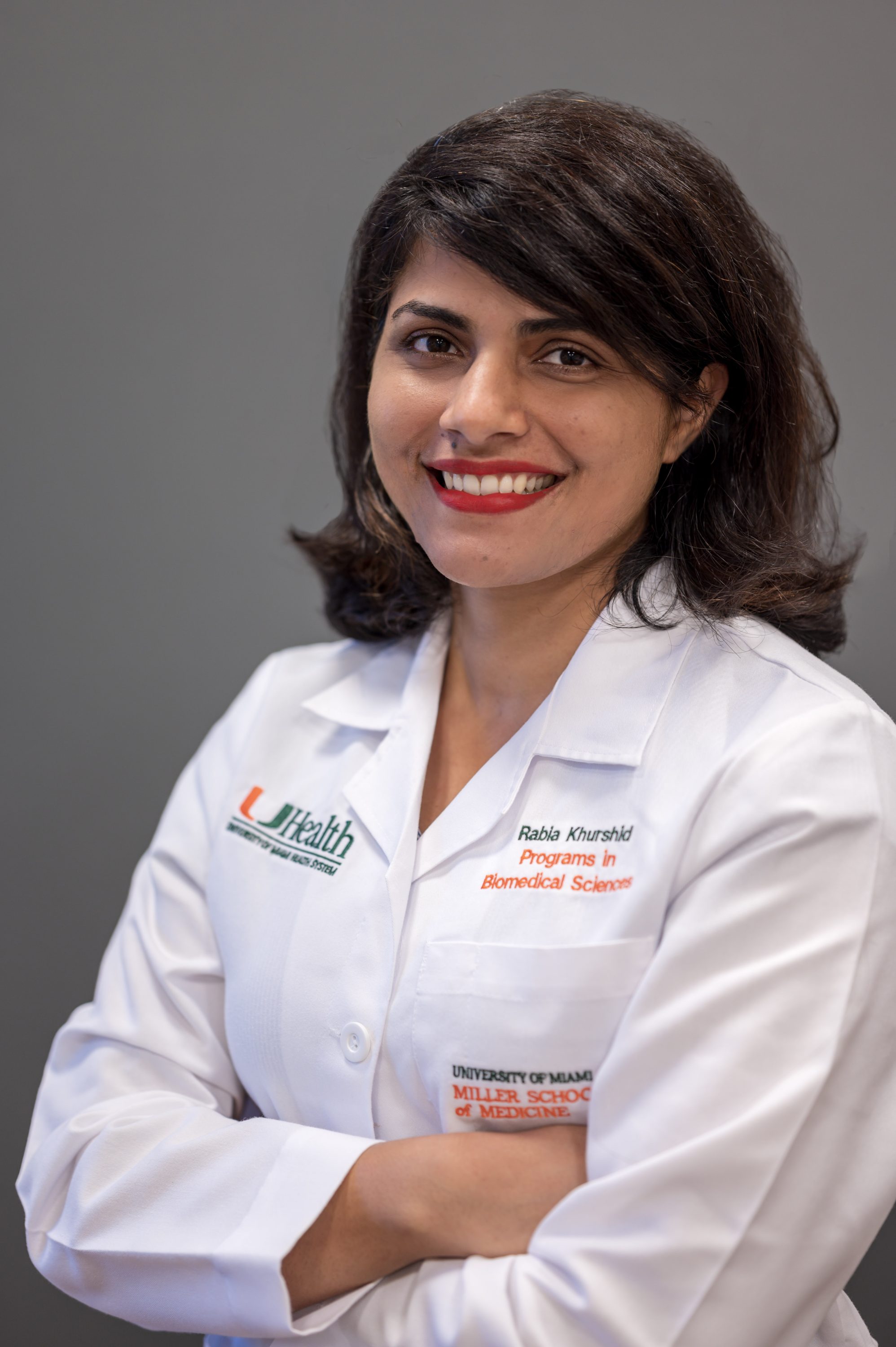
Rabia Khurshid joined the Schürer Lab in 2020 as a Fulbright Fellow in Cancer Biology. Since June, she has continued as a Research Associate, following the defense of her dissertation. Her work spans targeted protein degradation, kinase drug discovery, and computational drug design, including degraders targeting HIV-1 reverse transcriptase and structure-guided design of kinase inhibitors and degraders. Her broader interest is in systems-level drug design across emerging therapeutic modalities, including antibody–drug conjugates (ADCs) and degrader–antibody conjugates (DACs), and in developing evaluation-driven agentic AI frameworks for drug discovery that integrate biological reasoning, molecular design, and experimental evidence.
Fun fact: still trying to strike a work–pet balance with two dogs, two cats, and two fish tanks.
Jiaming Hu, Ph.D., Cheminformatics Data Scientist – SCCC
Jiaming Hu, PhD, is a computational drug discovery researcher at Sylvester Comprehensive Cancer Center. Her research focuses on developing artificial intelligence and machine learning approaches to leverage large-scale chemical and biological data for drug discovery and precision oncology. During her PhD in Human Genetics and Genomics at the University of Miami, she developed deep learning frameworks for kinome-wide virtual screening, compound-target profiling, and prediction of drug sensitivity across cancer models. Her work includes KNet, a platform for deep learning-based screening across the human kinome, and multimodal approaches integrating chemical and gene expression data to prioritize therapeutically relevant compounds. She is broadly interested in using AI to connect molecular design, biological context, and drug response to accelerate the discovery of new cancer therapeutics.
Ritik Bhandari , Sr. Research Associate
Ritik Bhandari is a Senior Research Associate in the Schürer Lab with a background in information systems, data analytics, and software development. His work focuses on building data infrastructure and software tools that make complex biomedical and pharmacological datasets easier to organize, query, and use. He contributes to the data architecture and development of resources such as the Opioid Drug Ontology Data Portal, integrating curated scientific data with accessible web-based tools for biomedical research. Ritik is particularly interested in applying data engineering, machine learning, and software development to build scalable research platforms.
Dr. Saurabh Mehta, Ph.D., Associate Scientist
Dr. Mehta’s research interests include Synthetic Organic and Medicinal Chemistry, Natural Products, Cheminformatics, Chemical and Systems Biology, and Anticancer Drug Discovery. Dr. Mehta’s research work involves the design, synthesis, and biological evaluation of small molecule inhibitors for Protein Arginine Methyltransferases (PRMTs), particularly PRMT4, also known as Coactivator Associated Arginine Methyltransferase 1 (CARM1). Previously he was a tenured Assistant Professor in the Department of Applied Chemistry, Delhi Technological University, Delhi, India (July 2010 – Jan. 2023), where he taught students from engineering and science backgrounds, and performed research on the development of new synthetic methods for medicinally important heterocyclic compounds. Dr. Mehta was a visiting researcher (2014-15) at the Center for Computational Science (CCS), University of Miami, where I obtained training in the areas of Structure Based Drug Design and contributed to the development of the Drug Target Ontology (DTO). Dr. Mehta obtained his Ph.D. in Organic Chemistry from Iowa State University, Ames, Iowa, USA (2004-2009). He previously obtained my M.Phil. (Industrial Methods of Chemical Analysis) from Indian Institute of Technology Roorkee, India (2001) and also previously worked in the pharmaceutical industry for approximately 3 years.
Dr. Vasileios Stathias, Ph.D., Assistant Director – SCCC
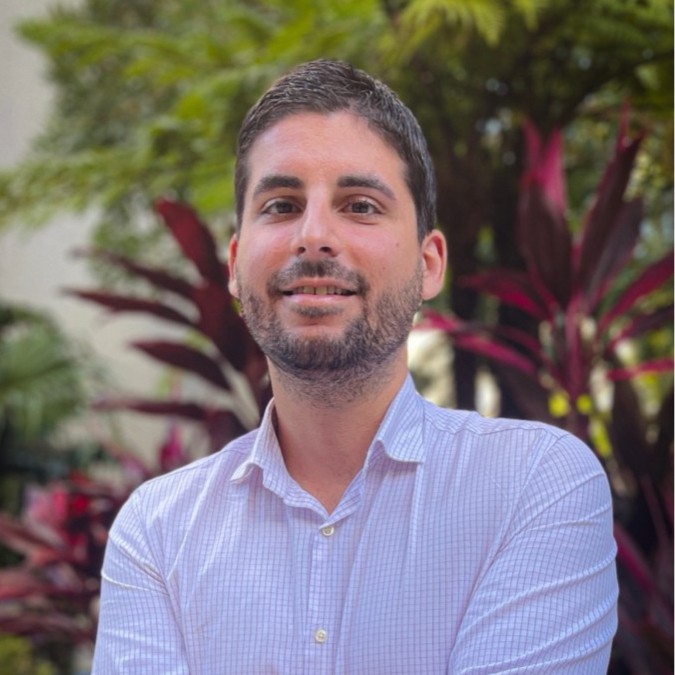
Dr. Vasileios “Vas” Stathias is the Assistant Director of Data Science at Sylvester Comprehensive Cancer Center and a member of the Schürer Lab. His current work focuses on computational oncology, cancer data science, machine learning, and integrating large-scale molecular, single-cell, and clinical datasets to support precision medicine and drug discovery.
Originally from Athens, Greece, Vas came to the University of Miami Miller School of Medicine to pursue graduate studies in Human Genetics and Genomics. During his PhD, under the mentorship of Dr. Nagi Ayad and co-mentor Dr. Stephan Schürer, he combined wet-lab and computational approaches to develop a glioblastoma synergy assay using LINCS data to identify drug combinations that enhance treatment response and help overcome resistance. He later joined the Schürer Lab as a postdoctoral fellow, where he continued developing approaches to predict drug sensitivity and synergistic combinations across cancer models.
Outside of work, Vas enjoys staying active and is a proud member of the Brickell Run Club.
Dr. Nicolette Christa Ross, Ph. D., Assit. Scientist
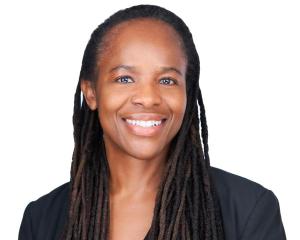
Nicolette Ross, PhD, is a Staff Scientist and seasoned medicinal chemist in the Schürer Lab. Her work spans chemical biology, pharmacology, medicinal chemistry, and biomedical data curation, with a focus on making complex drug and bioactivity data more useful for discovery. Most recently, she led the curation and FAIR enhancement of the DrugMatrix in vitro pharmacology dataset, improving assay metadata, target annotations, and data interoperability for integration into resources such as ChEMBL. In parallel, her synthetic medicinal chemistry research focuses on the design and synthesis of targeted anticancer agents, SARS-CoV-2 main protease (Mpro) inhibitors, and novel therapeutics for the treatment of pain.
Dr. Dušica Vidović, Ph.D., Lead Scientist
Dr. Dušica Vidović joined the Chemoinformatics team in September 2008. Previously, she was a Research Associate at The Scripps Research Institute and The Computer-Chemistry Centrum in the field of chemoinformatics. Dr. Vidović has experience in HTS data analysis, structure-based and ligand-based drug design, homology modeling, docking and scoring, virtual screening, pharmacophore modeling, lead optimization, ADMET modeling, QSAR/QSPR prediction, physicochemical properties prediction, topological indices. She received her PhD degree in chemistry from the University of Kragujevac (Kragujevac, Serbia). Fun Fact: Dusica can jump 6ft lengthwise.
Dr. Feng Yangbo, Ph.D., Research Associate Professor
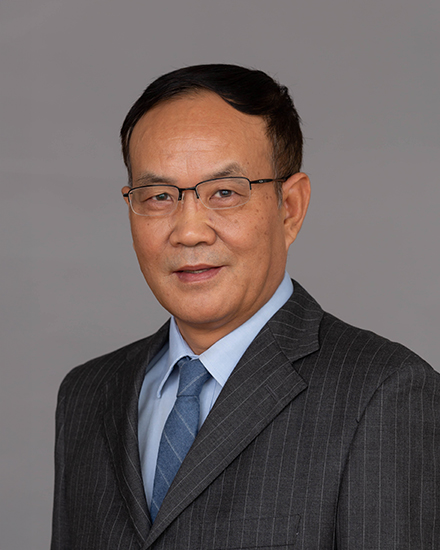
Yangbo Feng, PhD, is a Research Associate Professor in the Department of Molecular and Cellular Pharmacology at the University of Miami Miller School of Medicine and a seasoned medicinal chemist with extensive experience in drug discovery. His work focuses on the design and optimization of small-molecule therapeutics, integrating medicinal chemistry, structure-based drug design, and pharmacological evaluation to advance compounds from early discovery toward preclinical development. His research has contributed to programs targeting kinases and other therapeutically important proteins, including the development of potent and selective STK17A/B inhibitors. Yangbo brings broad experience in lead optimization, structure-activity relationships, and multidisciplinary drug discovery to the Schürer Lab.
Former Graduate Students
Jianbin Juan, Ph.D.
Former Post-Doctoral Researchers/Fellows
Michele Forlin, Ph.D.
Magdalena Przydzial, Ph.D.